
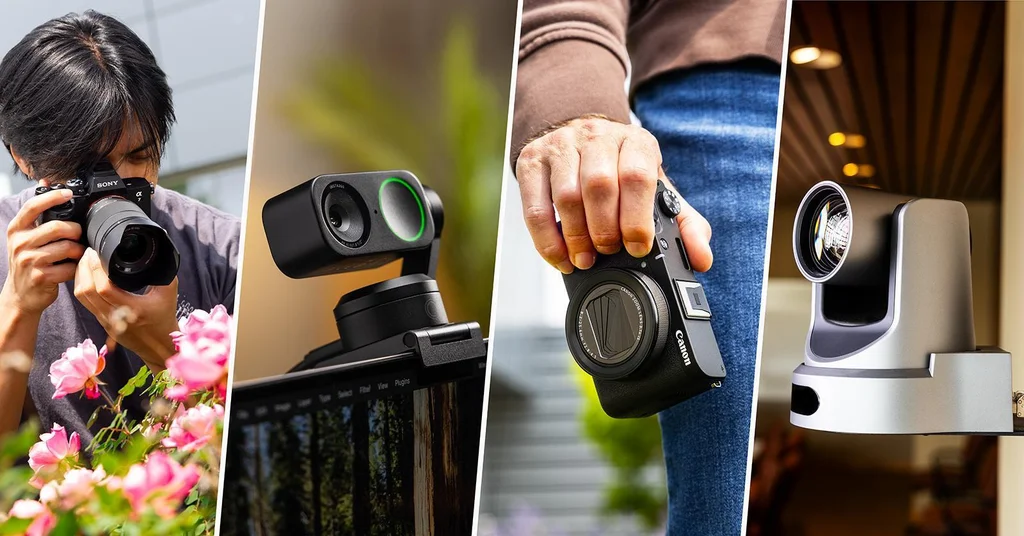
Cameras and media tools have become an essential part of modern life. From smartphones and digital cameras to video editing software and social media platforms, people use cameras and media every day to capture memories, create content, and share information. However, many users feel confused about camera settings, media formats, editing tools, and storage options. Camera and media guides exist to make these technologies easy to understand and use.
This guide explains cameras and media tools in simple language, helping beginners and everyday users learn how to take better photos, record high-quality videos, manage media files, and use editing software confidently. Whether you use a smartphone camera, DSLR, mirrorless camera, or basic media apps, this article will help you improve your skills and understanding.
This article focuses on camera guides, media guides, photography basics, video recording tips, camera settings explained, media editing tools, digital media management, and content creation for beginners.
Understanding Cameras and Media in Simple Terms
A camera is a device that captures images or videos by recording light. Media refers to digital content such as photos, videos, audio files, and graphics. Cameras and media tools work together to create, store, edit, and share digital content.
Modern devices combine cameras and media tools into one system. Smartphones, laptops, tablets, and cameras all support media creation and consumption. Understanding how these tools work makes using them easier and more enjoyable.
Types of Cameras Explained for Beginners
There are different types of cameras available today. Smartphone cameras are the most common and convenient. They are easy to use and suitable for everyday photography and video recording. Compact digital cameras offer better zoom and image quality than smartphones. DSLR cameras provide advanced controls and high-quality images, making them popular among photographers. Mirrorless cameras offer similar quality to DSLRs but in a lighter body. Action cameras are designed for movement and outdoor activities.
Choosing the right camera depends on your needs, skill level, and budget. Camera guides help beginners select the best option.
Camera Basics Every User Should Know
Understanding basic camera concepts improves photo and video quality. Exposure controls how light or dark an image appears. Focus determines how sharp the subject is. Resolution affects image clarity. Frame rate controls video smoothness.
Learning these basics helps users take better pictures without relying only on automatic modes. Camera guides simplify these concepts for easy learning.
Camera Settings Explained in Simple Language
Camera settings often confuse beginners. ISO controls light sensitivity. Shutter speed controls how long light enters the camera. Aperture controls depth of field and light amount. White balance adjusts color temperature. Understanding these settings allows users to control image quality.
Smartphone cameras also include settings such as HDR, night mode, portrait mode, and video resolution. Knowing when to use these features improves results.
Photography Tips for Beginners
Good photography is not just about equipment. Lighting plays a major role. Natural light often produces the best results. Composition techniques like rule of thirds help create balanced images. Keeping the camera steady reduces blur.
Practicing regularly and experimenting with angles improves photography skills. Camera and media guides encourage learning through practice.
Video Recording Basics for Beginners
Video recording requires understanding resolution, frame rate, and audio quality. Higher resolution provides clearer video, while higher frame rate makes motion smoother. Good audio is just as important as video quality.
Using tripods, stabilizers, and proper lighting improves video results. Beginner media guides explain these concepts clearly.
Smartphone Camera and Media Guide
Smartphone cameras are powerful tools for photography and video. Understanding camera modes, focus control, exposure adjustment, and editing apps improves results. Smartphones also offer slow motion, time lapse, and cinematic video features.
Learning smartphone media management helps users organize photos and videos efficiently.
Understanding Media Formats and File Types
Media files come in different formats. Image formats include JPEG, PNG, and RAW. Video formats include MP4, MOV, and AVI. Audio formats include MP3 and WAV. Each format has different quality and size characteristics.
Understanding file formats helps users choose the best option for storage, editing, and sharing.
Media Storage and Organization Tips
Managing photos and videos is important. Organizing files into folders, using proper naming, and deleting duplicates saves space. External drives and cloud storage provide backup solutions.
Media guides teach users how to store and protect digital content safely.
Cloud Storage for Photos and Videos
Cloud storage allows users to store media online and access it anywhere. It helps prevent data loss and saves device storage. Understanding upload, download, and sharing options improves cloud usage.
Cloud media guides make online storage simple and secure.
Photo Editing Basics for Beginners
Photo editing enhances images by adjusting brightness, contrast, colors, and sharpness. Beginners can start with basic editing apps that offer simple tools. Over-editing should be avoided to maintain natural look.
Learning photo editing basics improves visual quality and creativity.
Video Editing Basics Explained Simply
Video editing involves trimming clips, adding transitions, adjusting audio, and exporting files. Beginner-friendly video editing software makes editing accessible.
Media guides help users understand timelines, effects, and rendering without technical confusion.
Audio Recording and Media Basics
Audio is an important part of media creation. Clear sound improves videos and podcasts. Using microphones, reducing background noise, and adjusting volume levels improve audio quality.
Audio media guides help beginners create better sound recordings.
Social Media Media Guides
Social media platforms have specific media requirements. Understanding image sizes, video formats, and compression improves content quality. Posting optimized media increases engagement.
Media guides help users create content suitable for different platforms.
Camera Accessories and Media Tools
Accessories improve camera performance. Tripods stabilize shots. Lenses enhance image variety. Microphones improve audio. Lighting equipment improves visibility.
Understanding accessories helps users upgrade gradually.
Common Camera and Media Problems and Fixes
Blurry photos, poor lighting, low audio quality, and storage issues are common problems. Adjusting settings, cleaning lenses, and managing storage solve many issues.
Media guides provide simple solutions for common problems.
Camera Maintenance and Care
Proper maintenance extends camera life. Cleaning lenses, protecting from dust and moisture, and storing safely prevent damage.
Camera care guides help users protect their investment.
Media Backup and Data Protection
Backing up media prevents data loss. External drives and cloud backups provide security. Regular backups are essential.
Media protection ensures content safety.
Camera and Media for Content Creators
Content creators rely on cameras and media tools. Understanding lighting, framing, editing, and publishing improves quality. Consistency and practice build skills.
Media guides support beginner content creators.
Camera and Media for Online Learning and Work
Cameras and media tools are used for video calls, presentations, and online classes. Understanding webcam settings, audio setup, and file sharing improves communication.
Media guides help users succeed in digital environments.
Camera and Media Buying Guide for Beginners
Beginners should consider ease of use, quality, and support when buying cameras or media tools. Reading reviews and comparing features helps make informed decisions.
Buying guides reduce confusion.
Camera and Media Trends
Technology continues to evolve. Artificial intelligence improves camera performance. High-resolution video and advanced editing tools are becoming common. Staying informed helps users adapt.
Media guides explain trends simply.
Learning Camera and Media Skills Step by Step
Learning media skills takes time. Starting with basics, practicing regularly, and gradually exploring advanced features builds confidence.
Camera and media guides encourage steady learning.
Importance of Camera & Media Guides
Camera and media guides simplify complex technology. They help users understand tools, improve creativity, and avoid frustration. Clear guidance builds confidence and skill.
Media knowledge empowers users.
Future of Cameras and Digital Media
Future technology will bring smarter cameras, immersive media, and advanced editing tools. Understanding fundamentals prepares users for future innovations.
Media literacy remains essential.
Conclusion
Camera and media guides play a vital role in helping users understand and use modern digital tools. From basic photography and video recording to editing, storage, and sharing, learning these skills improves creativity and communication.
Technology should support creativity, not limit it. With the right camera and media knowledge, anyone can capture moments, tell stories, and share ideas confidently. Whether you are a beginner or an everyday user, understanding camera and media basics opens the door to endless possibilities in the digital world.