
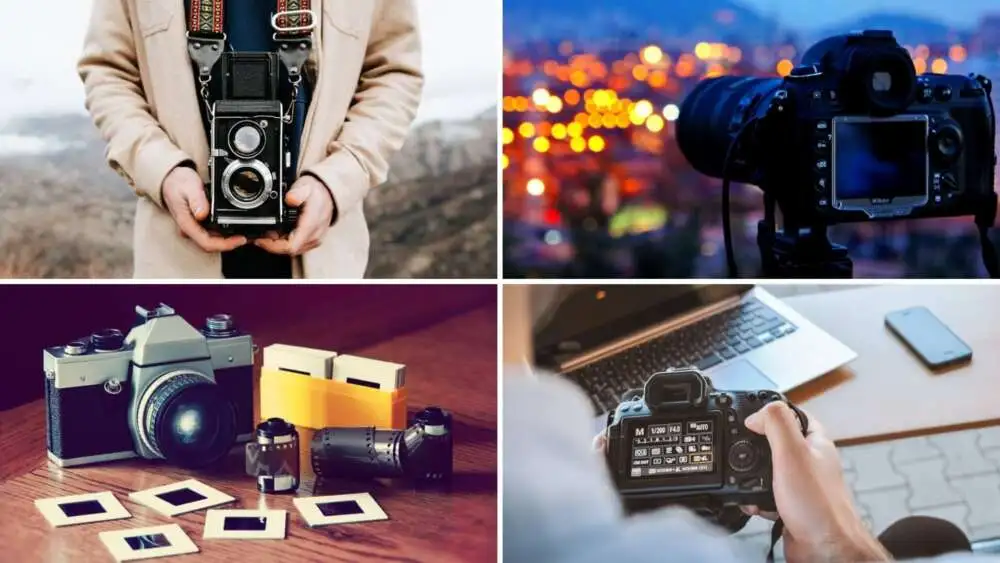
Creating stunning videos and photos requires more than just owning the latest smartphone or camera. Mastering composition, lighting, angles, and post-processing techniques can significantly enhance your visual content. Whether you are a beginner or an experienced creator, understanding the tips and tricks for shooting videos and photos helps capture attention, tell stories, and showcase creativity effectively. From camera settings and lighting strategies to framing, stabilization, and editing, these practical tips and tricks will empower you to shoot professional-quality videos and photos with any device.
1. Understand Your Camera and Equipment
The first step to shooting stunning videos and photos is understanding your camera and equipment. Whether using a DSLR, mirrorless camera, or smartphone, familiarize yourself with features such as aperture, shutter speed, ISO, white balance, and focus modes. Knowing how each setting affects exposure, depth of field, and motion allows you to make informed decisions while shooting. Additionally, using the right lenses or attachments can enhance image quality, providing versatility for wide shots, portraits, and close-ups. This foundational knowledge is crucial for capturing high-quality visuals consistently.
2. Master Lighting Techniques
Lighting is one of the most important elements in photography and videography. Natural light, artificial light, and reflective surfaces can dramatically affect the mood, color, and clarity of your content. When shooting outdoors, utilize the golden hour—shortly after sunrise or before sunset—for soft, warm lighting. Indoors, use diffused lights or softboxes to avoid harsh shadows. Experimenting with backlighting, sidelighting, and fill light can add depth and dimension to your photos and videos. Proper lighting techniques are essential tips for shooting professional-quality content.
3. Use Proper Composition and Framing
Composition and framing are fundamental to capturing visually appealing content. Techniques such as the rule of thirds, leading lines, symmetry, and framing within frames help guide viewers’ attention to the subject. Positioning your subject strategically, leaving negative space, and balancing elements within the frame create aesthetically pleasing visuals. Experimenting with angles and perspectives can also enhance storytelling and creativity. Understanding composition and framing principles ensures your videos and photos have professional appeal.
4. Stabilize Your Shots
Shaky footage and blurred images can ruin otherwise excellent content. Using tripods, gimbals, or stabilizers reduces camera shake, especially in low-light conditions or long exposures. Handheld shots can be stabilized by holding the camera close to your body, using both hands, and controlling breathing. For smartphone videography, digital stabilization and slow-motion settings can improve video smoothness. Stabilization is a critical tip for shooting polished and professional-looking videos and photos.
5. Master Focus and Depth of Field
Focus and depth of field create visual interest by isolating subjects and controlling background blur. Using selective focus techniques and aperture adjustments helps draw attention to key elements in your photos and videos. For portraits, wide apertures create beautiful bokeh, while landscape shots benefit from smaller apertures for sharp focus throughout the frame. Manual focus or touch-to-focus features allow precise control over the subject. Mastering focus and depth of field enhances the visual impact of your content.
6. Experiment with Angles and Perspectives
Changing angles and perspectives adds creativity and uniqueness to your shots. Shooting from low angles can make subjects appear larger, while high angles provide an overview or context. Overhead shots, close-ups, and unconventional perspectives make visuals more dynamic and engaging. Combining angles with movement or zoom creates cinematic effects for videos. Experimenting with perspectives is a valuable tip for shooting stunning and memorable content.
7. Control Exposure and White Balance
Proper exposure and white balance ensure that colors are accurate, highlights are not blown out, and shadows retain detail. Adjusting ISO, shutter speed, and aperture according to the lighting conditions prevents underexposed or overexposed images. Correct white balance settings maintain natural color tones in different environments, whether indoors, outdoors, or under artificial light. Mastering exposure and white balance is essential for high-quality videos and photos.
8. Use Creative Motion Techniques
In videography, motion adds storytelling elements and excitement. Techniques like panning, tilting, tracking, and zooming can create dynamic sequences. Slow-motion and time-lapse recordings add cinematic flair and emphasize motion. Experimenting with camera movement enhances the overall impact of videos and helps convey emotions effectively. Understanding motion techniques is a key tip for producing visually compelling video content.
9. Pay Attention to Background and Environment
The background can either enhance or distract from your subject. Look for clean, uncluttered backgrounds or incorporate elements that complement the subject. In outdoor shoots, use natural textures, landscapes, and architectural lines to add depth. In indoor settings, arranging props and controlling lighting creates a professional look. Being mindful of the environment ensures your photos and videos are visually cohesive.
10. Use Props and Accessories
Props, accessories, and elements within the scene add context and creativity. They can highlight your subject, reinforce storytelling, or enhance aesthetics. In videography, using accessories like diffusers, reflectors, or filters can control light and color balance. Props are a subtle yet effective tool for shooting captivating visuals.
11. Edit and Post-Process Your Content
Editing is where your photos and videos reach their full potential. Adjusting brightness, contrast, saturation, sharpness, and color grading enhances visual appeal. Video editing software allows cutting, transitions, adding effects, and sound design to create professional-quality content. Mobile apps like Lightroom, Snapseed, and InShot provide robust editing tools. Learning post-processing techniques is a crucial tip for achieving stunning results.
12. Experiment with Color and Mood
Color and mood convey emotion and narrative. Using complementary or contrasting colors enhances visual impact. Color grading videos sets the tone, while filters or preset styles can unify a photo series. Adjusting saturation, highlights, and shadows helps create the desired atmosphere. Experimenting with color is a creative tip for making your visuals stand out.
13. Learn Rule of Thirds and Golden Ratio
The rule of thirds and golden ratio are classic composition techniques that improve balance and aesthetics. Placing subjects along intersecting lines or curves creates harmony and naturally guides the viewer’s eye. These principles are essential tips for both photography and videography, ensuring visuals are pleasing and engaging.
14. Take Advantage of Natural Light
Natural light is versatile and flattering for videos and photos. Shooting outdoors during the golden hour or using window light indoors enhances color, texture, and depth. Avoid harsh midday sunlight, which creates unwanted shadows. Mastering natural light techniques improves the overall quality of content without relying on artificial sources.
15. Use Leading Lines and Symmetry
Leading lines, patterns, and symmetry direct the viewer’s attention and create visually compelling images. Roads, bridges, railings, and architectural features can be used as leading lines. Symmetry adds balance and aesthetic appeal. Incorporating these elements is a powerful tip for capturing professional-quality visuals.
16. Focus on Storytelling
Stunning visuals tell stories, not just show subjects. Plan your shots to convey emotion, context, or narrative. Story-driven videos and photos are more engaging and memorable. Understanding storytelling principles ensures your content resonates with viewers.
17. Use Manual Mode
Manual mode gives full control over exposure, shutter speed, ISO, and focus. This flexibility allows creative experimentation and fine-tuning for challenging lighting situations. Learning manual camera settings is a critical tip for shooting professional-level videos and photos.
18. Master Depth and Layers
Adding depth by including foreground, midground, and background elements creates a sense of dimension. Overlapping subjects and using depth cues make images and videos more dynamic. Recognizing the importance of layers is an advanced tip for creating visually interesting content.
19. Pay Attention to Audio in Videos
Audio quality is as important as visuals in videography. Using external microphones, windshields, or lapel mics improves clarity. Editing audio tracks and reducing background noise enhances viewer experience. Good audio complements stunning visuals and completes professional content.
20. Use Tripods and Gimbals
Tripods and gimbals stabilize shots, prevent shake, and enable creative techniques like long exposures or time-lapses. They are especially helpful for low-light photography and cinematic video sequences. Investing in stabilization tools is a practical tip for shooting professional-quality content.
21. Capture in RAW Format
RAW files retain more information than JPEGs, allowing extensive post-processing without quality loss. Shooting in RAW provides flexibility for exposure correction, color adjustments, and detail enhancement. Understanding this tip improves the potential of your photos and videos during editing.
22. Understand Camera Lenses and Focal Length
Different lenses offer unique perspectives and capabilities. Wide-angle lenses capture expansive scenes, telephoto lenses isolate subjects, and prime lenses provide sharp images with large apertures. Learning lens characteristics helps achieve desired visual effects and enhances overall quality.
23. Explore Creative Angles
Shooting from unconventional angles, such as low, high, or tilted perspectives, adds drama and interest. Creative angles make your content stand out and convey unique viewpoints. Practicing this tip encourages innovation in photography and videography.
24. Plan Your Shots and Storyboards
Planning shots with storyboards or sketches ensures smooth workflow and consistent visuals. Planning prevents missed opportunities, improves composition, and helps achieve creative vision. Storyboarding is a professional tip for shooting polished videos and photo sequences.
25. Experiment with Slow Motion and Time-Lapse
Slow motion highlights details, motion, and emotion, while time-lapse captures long-duration changes in a short video. Using these techniques creatively elevates content quality and adds cinematic appeal. Learning to use slow motion and time-lapse is a valuable tip for videography.
26. Use Filters and Lenses Creatively
Filters and lens attachments enhance mood, color, and effects. Neutral density filters control exposure in bright conditions, polarizers reduce glare, and creative lens filters add artistic flair. Understanding how to use accessories effectively improves final output.
27. Learn Color Theory
Color theory guides the selection of complementary or contrasting colors to enhance visuals. Harmonious color combinations improve aesthetics, storytelling, and brand consistency. Applying color theory is an advanced tip for stunning photos and videos.
28. Keep Your Gear Clean and Maintained
Dirty lenses, sensors, or screens degrade image quality. Regular cleaning, proper storage, and maintenance extend equipment lifespan and ensure consistently high-quality output. This practical tip is essential for professional results.
29. Study Composition in Professional Work
Analyzing professional photographers’ and filmmakers’ work improves understanding of composition, lighting, and storytelling. Studying visual techniques inspires creativity and helps replicate successful methods. Learning from professionals is a tip for improving your visual content skillfully.
30. Practice Regularly
Consistent practice is the most important tip for mastering photography and videography. Experimenting with lighting, angles, composition, and editing refines skills and develops personal style. Regular shooting improves confidence, technical proficiency, and creativity over time.
In conclusion, shooting stunning videos and photos requires mastering technical skills, creative techniques, and post-processing. Understanding camera equipment, lighting, composition, angles, stabilization, focus, color, and storytelling enhances the quality of your visuals. Combining these tips and tricks with consistent practice, attention to detail, and experimentation ensures professional-looking content whether you are using a smartphone, DSLR, mirrorless camera, or drone. By applying these strategies, creators can capture compelling, visually appealing, and memorable photos and videos that stand out in the digital world.