
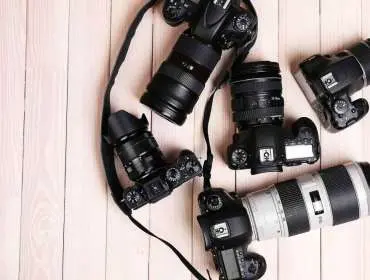
Capturing stunning photos and videos requires more than just having a high-end camera or smartphone. Many photographers and videographers, both beginners and experienced, make common camera mistakes that affect image quality, composition, and overall visual impact. Understanding these mistakes and learning how to avoid them is essential for improving your photography and videography skills. From technical errors like improper exposure and focus to creative missteps such as poor composition and lighting, avoiding these pitfalls ensures consistently professional results. This comprehensive guide explores the most common camera mistakes and provides actionable tips to avoid them, helping you capture sharper, more engaging, and visually appealing content.
1. Mistake: Ignoring Proper Lighting
One of the most common camera mistakes is neglecting proper lighting. Lighting determines exposure, mood, and depth in both photos and videos. Shooting in harsh midday sunlight can create unwanted shadows, while low-light conditions without proper adjustments result in grainy or blurry images. The solution is to utilize natural light effectively, shoot during the golden hour, use reflectors, or employ artificial lighting such as softboxes or LED panels. Mastering lighting techniques enhances clarity, color, and overall image quality.
2. Mistake: Using Incorrect Focus
Blurry or out-of-focus images are a frequent error. Autofocus can fail in low light, low contrast, or complex scenes, leading to poorly focused shots. To avoid this mistake, learn to use manual focus when necessary, use focus points strategically, and tap-to-focus on smartphones. Understanding depth of field and how aperture affects focus also improves sharpness and ensures that the subject stands out. Proper focus is essential for professional-quality visuals.
3. Mistake: Overlooking Composition Rules
Many photographers neglect composition, resulting in unbalanced or uninspiring images. Common errors include placing the subject in the center, ignoring negative space, or having distracting elements in the frame. To avoid this, use the rule of thirds, leading lines, symmetry, and framing techniques. Paying attention to composition guides viewers’ eyes and creates visually compelling images. Composition is a foundational tip for capturing aesthetically pleasing photos and videos.
4. Mistake: Shooting Without a Clear Subject
An unclear subject makes images confusing or less engaging. Every photo or video should have a focal point or story. Before shooting, identify the main subject, frame it effectively, and ensure that other elements support rather than distract. Using selective focus, color contrast, and positioning reinforces the subject and makes the content visually compelling.
5. Mistake: Overexposing or Underexposing
Incorrect exposure results in photos that are too bright or too dark. Many beginners rely solely on auto mode without understanding shutter speed, aperture, and ISO. Avoid this mistake by learning to read exposure histograms, using manual mode when appropriate, and adjusting settings based on lighting conditions. Bracketing shots or using exposure compensation ensures properly exposed images, preserving details in highlights and shadows.
6. Mistake: Using High ISO Unnecessarily
High ISO settings increase camera sensitivity but also introduce noise, reducing image quality. Beginners often crank up ISO in low-light situations instead of using a tripod or slower shutter speed. To avoid this, use the lowest ISO possible for the conditions, stabilize the camera, or employ external lighting. Understanding ISO management prevents grainy photos and maintains sharpness.
7. Mistake: Ignoring White Balance
Incorrect white balance can make photos appear too warm, too cool, or unnatural. Auto white balance works in many cases, but challenging lighting conditions may require manual adjustments. Avoid this mistake by learning how to set custom white balance for different lighting, including daylight, tungsten, or fluorescent conditions. Accurate white balance enhances color accuracy and visual appeal.
8. Mistake: Not Stabilizing the Camera
Shaky shots are a common problem, especially in low-light conditions or while filming videos. Avoid this mistake by using tripods, gimbals, or stabilizers. When handheld, hold the camera close to your body, use both hands, and control breathing. Smartphone users can utilize built-in digital stabilization or slow-motion features for smoother footage. Proper stabilization ensures crisp and professional-quality content.
9. Mistake: Relying Solely on Auto Mode
While auto mode is convenient, relying solely on it limits creative control. Auto settings may not choose optimal exposure, focus, or depth of field. Avoid this mistake by learning manual mode or semi-automatic modes like aperture priority and shutter priority. Understanding camera controls allows more precise adjustments and creative freedom.
10. Mistake: Ignoring Background and Environment
A cluttered or distracting background can ruin an otherwise great shot. Beginners often overlook the environment, causing unwanted elements to compete with the subject. Avoid this mistake by choosing clean backgrounds, adjusting angles, or using shallow depth of field to blur distractions. Mindful framing ensures the subject remains the focal point.
11. Mistake: Shooting Only from Eye Level
Shooting exclusively from eye level can result in ordinary and predictable images. Experiment with angles—low angles make subjects appear larger, high angles provide context, and overhead shots add uniqueness. Changing perspectives adds depth, creativity, and visual interest.
12. Mistake: Forgetting About Post-Processing
Many photographers neglect post-processing, resulting in underwhelming final images. Editing allows adjustments to exposure, contrast, color balance, sharpness, and cropping. Use software like Adobe Lightroom, Photoshop, or mobile apps to enhance photos. Avoid this mistake by incorporating post-processing into your workflow for polished, professional results.
13. Mistake: Overusing Filters
Filters can enhance images, but excessive use often makes photos look artificial or exaggerated. Avoid this mistake by using filters sparingly, adjusting intensity, and focusing on subtle enhancements. Understanding how to balance filters maintains authenticity while improving aesthetics.
14. Mistake: Not Understanding Depth of Field
Ignoring depth of field leads to flat, uninteresting images. Depth of field controls how much of the scene is in focus. Wide apertures create blurred backgrounds for portraits, while smaller apertures keep landscapes sharp. Avoid this mistake by experimenting with aperture and focus points to guide viewer attention and create dimensionality.
15. Mistake: Shooting in Poor Weather Without Adaptation
Weather impacts photography, from harsh sunlight to rain, fog, or snow. Beginners often shoot without adapting settings or protecting equipment, resulting in compromised images. Avoid this mistake by adjusting exposure, white balance, and using weather-resistant gear. Understanding environmental effects ensures better image quality and equipment safety.
16. Mistake: Ignoring Composition in Video
Videographers sometimes focus only on movement and action, ignoring composition principles. This leads to unbalanced or distracting footage. Avoid this mistake by framing shots thoughtfully, using rule of thirds, leading lines, and balanced visual elements. Good composition enhances storytelling and viewer engagement.
17. Mistake: Poor Framing of Subjects
Cropping subjects too tightly or leaving too much empty space reduces impact. Avoid this mistake by maintaining appropriate spacing, centering subjects when necessary, and considering negative space. Proper framing ensures aesthetically pleasing results.
18. Mistake: Shooting Only in JPEG
Shooting exclusively in JPEG limits editing flexibility. RAW files preserve more detail and allow extensive post-processing without quality loss. Avoid this mistake by learning how to use RAW format for both photos and video stills, giving more control over final output.
19. Mistake: Overlooking Camera Maintenance
Dirty lenses, sensors, or camera bodies degrade image quality. Dust, fingerprints, and smudges can cause blur, spots, or glare. Avoid this mistake by cleaning equipment regularly, using lens caps, and storing cameras in protective cases. Maintenance ensures consistent quality and extends gear lifespan.
20. Mistake: Not Considering Composition Guidelines for Portraits
Portrait mistakes include awkward headroom, poor eye placement, and distracting backgrounds. Avoid this mistake by positioning subjects using rule of thirds, maintaining proper headroom, and guiding eye lines. Proper portrait composition creates flattering and engaging images.
21. Mistake: Ignoring Motion Blur Control
Unintended motion blur can ruin photos of moving subjects. Avoid this mistake by adjusting shutter speed based on motion, using tripods, and panning techniques for creative effects. Understanding motion blur control produces sharp and professional results.
22. Mistake: Using Wrong Lens for Scene
Using an inappropriate lens limits composition and quality. Wide-angle lenses for portraits can distort features, while telephoto lenses may reduce context in landscapes. Avoid this mistake by selecting lenses suitable for the scene and subject. Proper lens choice enhances storytelling and image quality.
23. Mistake: Forgetting to Plan Shots
Shooting impulsively without planning can lead to missed opportunities and poor composition. Avoid this mistake by storyboarding, scouting locations, and visualizing shots. Planning ensures efficient workflow and professional-quality results.
24. Mistake: Neglecting Camera Settings in Different Conditions
Many photographers forget to adjust settings in changing lighting, weather, or movement. Avoid this mistake by adapting ISO, aperture, shutter speed, and white balance to current conditions. Awareness of settings ensures optimal exposure and sharpness.
25. Mistake: Ignoring Histogram and Exposure Tools
Beginners often rely solely on the LCD screen, which can mislead exposure perception. Avoid this mistake by using histograms, zebras, or exposure warnings to check brightness levels accurately. These tools prevent overexposed or underexposed shots.
26. Mistake: Poor Color Management
Inaccurate colors can reduce image impact. Avoid this mistake by calibrating monitors, using correct white balance, and managing color profiles. Proper color management ensures accurate representation and professional results.
27. Mistake: Ignoring Posture and Stability in Video
Videographers often neglect body posture, causing shaky footage. Avoid this mistake by standing steadily, using elbows as stabilizers, and controlling breathing. Proper posture produces smoother, cinematic video results.
28. Mistake: Overcomplicating Composition
Beginners sometimes overcrowd frames with too many elements. Avoid this mistake by simplifying compositions, focusing on the subject, and using negative space effectively. Clean, focused composition enhances clarity and visual appeal.
29. Mistake: Not Using Available Tools
Modern cameras and smartphones include features like grid overlays, focus peaking, and stabilization. Avoid this mistake by exploring and utilizing these tools for better exposure, focus, and composition. Leveraging features ensures higher-quality results.
30. Mistake: Neglecting Experimentation and Practice
Relying only on one style or technique limits growth. Avoid this mistake by experimenting with lighting, angles, lenses, and editing. Consistent practice improves technical skills, creativity, and confidence in photography and videography.
In conclusion, understanding and avoiding common camera mistakes is essential for producing stunning videos and photos. Technical mistakes such as improper exposure, focus issues, incorrect white balance, and motion blur, along with creative errors like poor composition, cluttered backgrounds, and unplanned shots, can be corrected with practice, knowledge, and attention to detail. By mastering camera settings, lighting, stabilization, composition, and post-processing, photographers and videographers can capture professional-quality content consistently. Implementing these tips ensures that every photo and video is visually appealing, sharp, and compelling, making your work stand out in the digital world.